Recently I was seized with a bout of nostalgia for my childhood, for that strange era of afternoons sitting before TVs with much smaller screens and growing up under the larger-than-life glow from blu-ray DVDs and early 2000s entertainment. Except, I’m trying to recall most of it beneath the haze of all the media I have consumed brainwashing me into thinking that I grew up with Britney Speares, Spongebob, or Nintendo Games. The media nostalgia for the early 2000s have become an aesthetic, but the more I think about it, the less my childhood actually resembled it. For one, I had a childhood of a first-generation immigrant that loitered between cultures and most definitively wasn’t Singaporean. I grew up on Chinese pirated movies, and DVDs of shows like 喜洋洋 and Chinese animation that I had no way of sharing with my classmates.
I haven’t thought about these shows that have shaped me for a long time, because I don’t get to talk about them like I do for Winx Club or Ben 10. So, I decided to rewatch them and interrogate how the Chinese animation of my childhood had really shaped me. The first series I wanted to rewatch had deeply influenced my early art. I was basically making fanart of 小鲤鱼历险记, or “The Adventures of Little Carp” before I even knew what fandoms were. My father had a preference for my brother and I to be brought up in the orbit of China’s culture, so we binge-watched animated TV series that aired on CCTV Children instead of Nickelodeon. This 52 episode series is about a little fish trying to find the real dragon, based loosely on the Chinese myths of a carp leaping through a gate to become a dragon. The titular character, Bubbles, is a head-strong and playful carp who idolised the mythical dragon that had saved the underwater world from a volcano explosion. He was raised by the wise Grandma carp, who practiced a little magic herself and helped safekeep the history of their home. Spoiler alert, she dies protecting Bubbles from the villain, and leaves with him a tear crystal to be that spiritual guide for Bubbles in her absence. And this thrusts Bubbles onto his hero’s journey to find the Real Dragon™. Bubbles used to be my favourite character to draw because of the bright red and flowing fins in his character design.
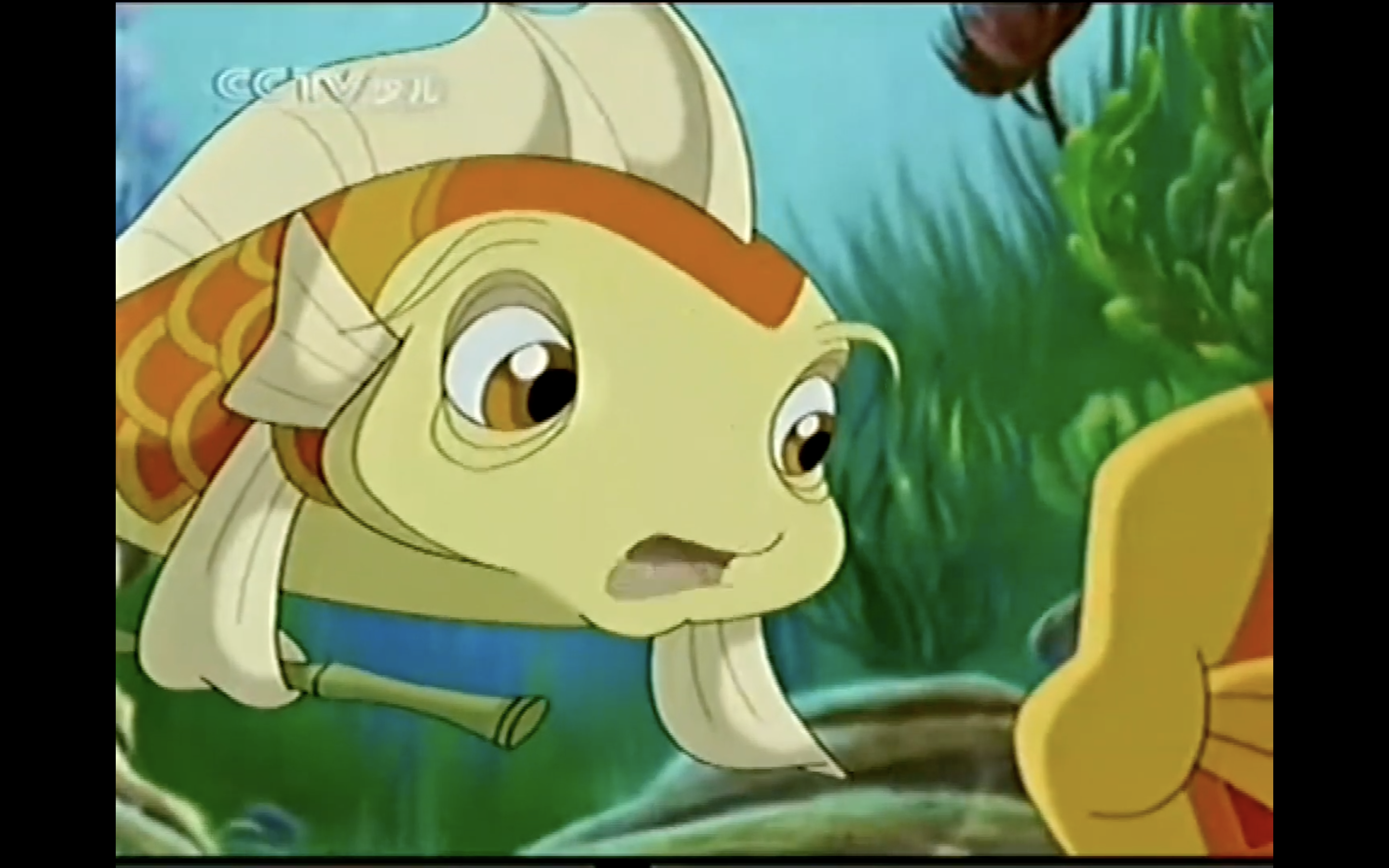
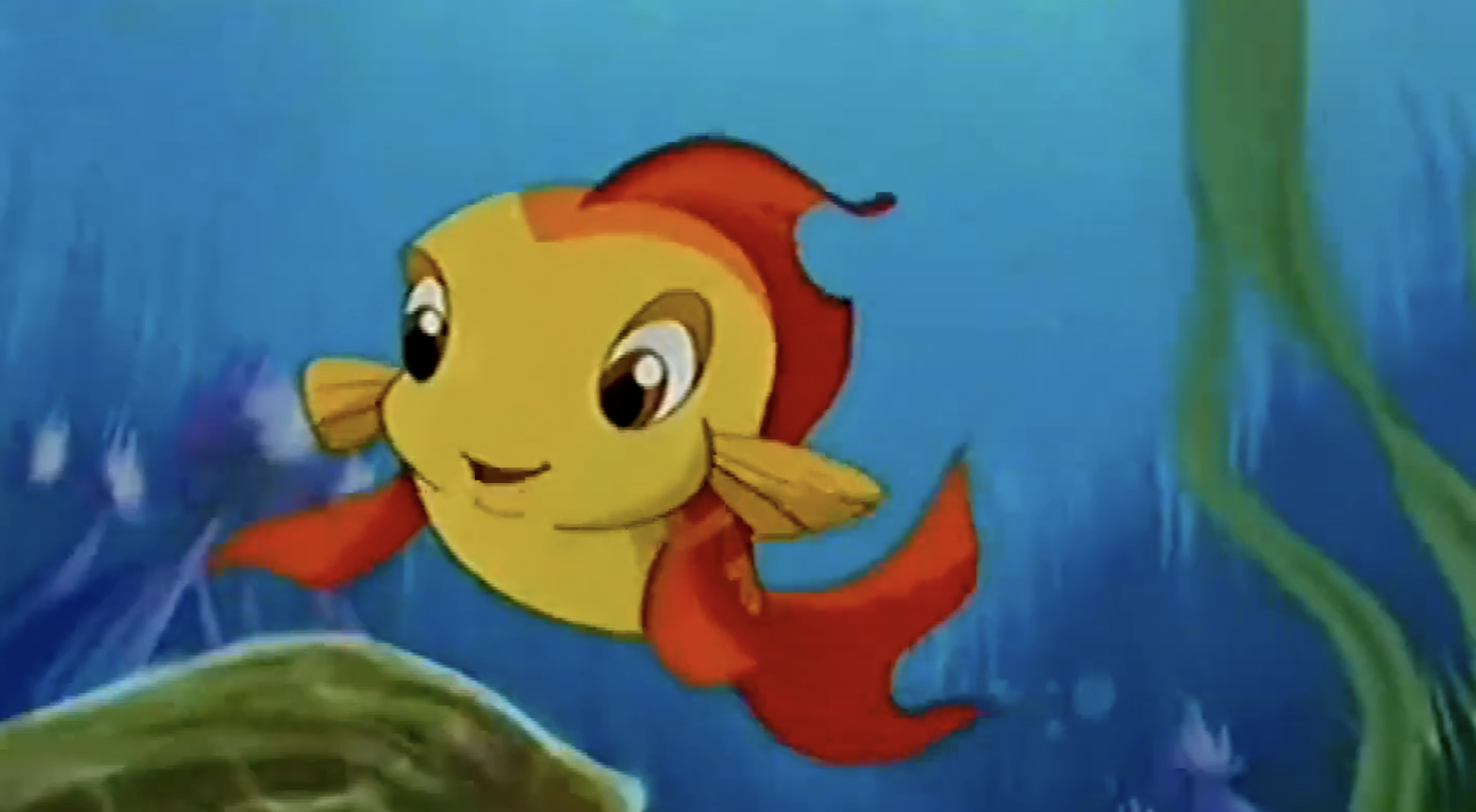
On Bubbles! Upon this rewatch, I can’t stand his childishness! What I used to look up to in Bubbles for his heroism, I now see as his brashness and naiveté. He brought upon the catastrophe over his homeland and invited the villain because of his earnest belief that he has found the real dragon (who was in fact an evil snake). But his straightforwardness is also what endears the other characters to him and got Mei Mei on his team, saved Ah Ku despite endangering himself, and eventually got him is golden scale. I think the show does a great job capturing how the strengths can be a double-edged sword and that people are never uncomplicated templates. Bubbles’ sense of responsibility is commendable as he wants to resolve the problems he brought and does not flee for his freedom like Ah Ku, but this same sense of responsibility creates an inflated ego he had to temper when he assumes himself to be de facto leader of the four.
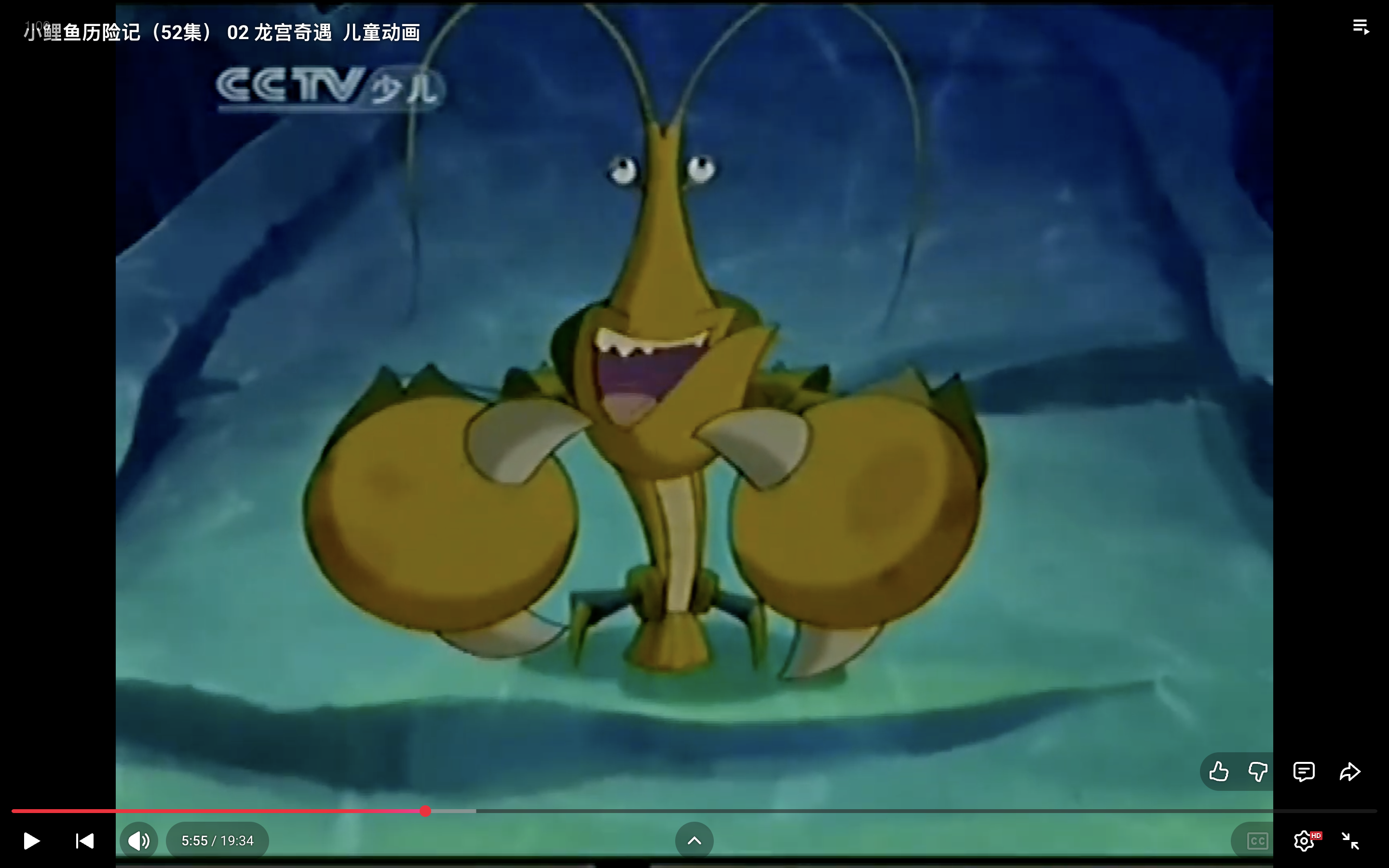
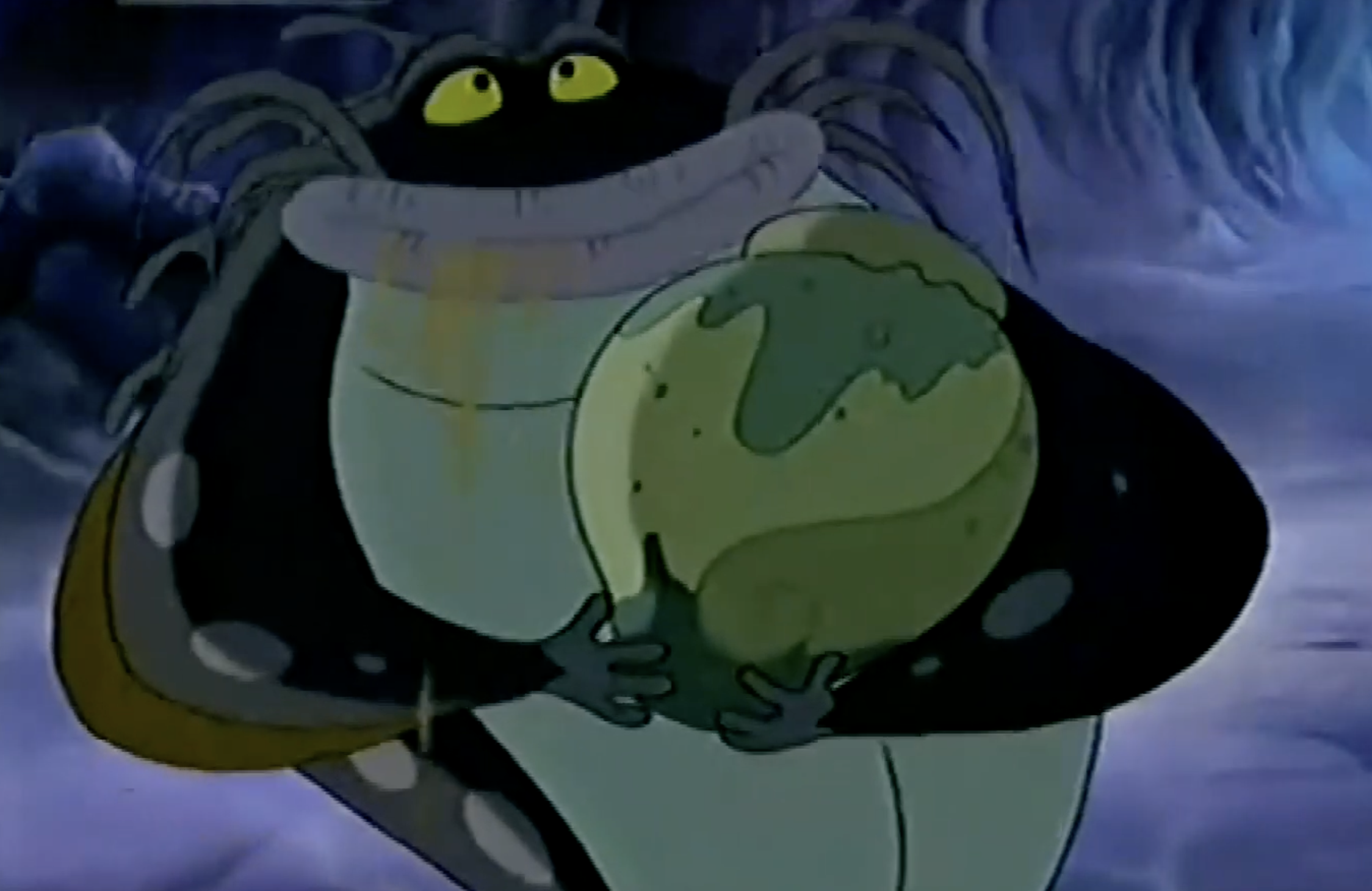
The villain is an equally memorable character who is better than any Disney villain I know. Flaky Snake is a water snake masquerading as the real dragon by wearing the stolen dragon crown, but as punishment for abusing the crown he is plagued by flaky and itching skin he wishes to find cure for. He is such a hateful character that he begrudges the carps for singing about a dragon because he cannot allow anyone but himself to be called a dragon. Besides his distinctively evil voice acting, we are also shown how he is evil because he kills the carps and wipes out Bubbles’ home when Bubbles refuses to acknowledge him as a dragon after seeing through his disguise and calls him out for what he is — a mere snake. He abuses his two lackeys to maintain the illusion of his dragonhood. Even that, we are shown, is a flimsy hierarchy that collapses at the slightest crack of his hold on power. On his birthday, when his dragon crown fell during a brawl, all of his lackeys dove for it and decided it was their turn to be king. He constantly victimises himself and believes the world to be unfair to him because he could not seem to become the dragon, and I learned really on how fatal a weakness it is to lack the self-awareness and lack accountability over our own actions.
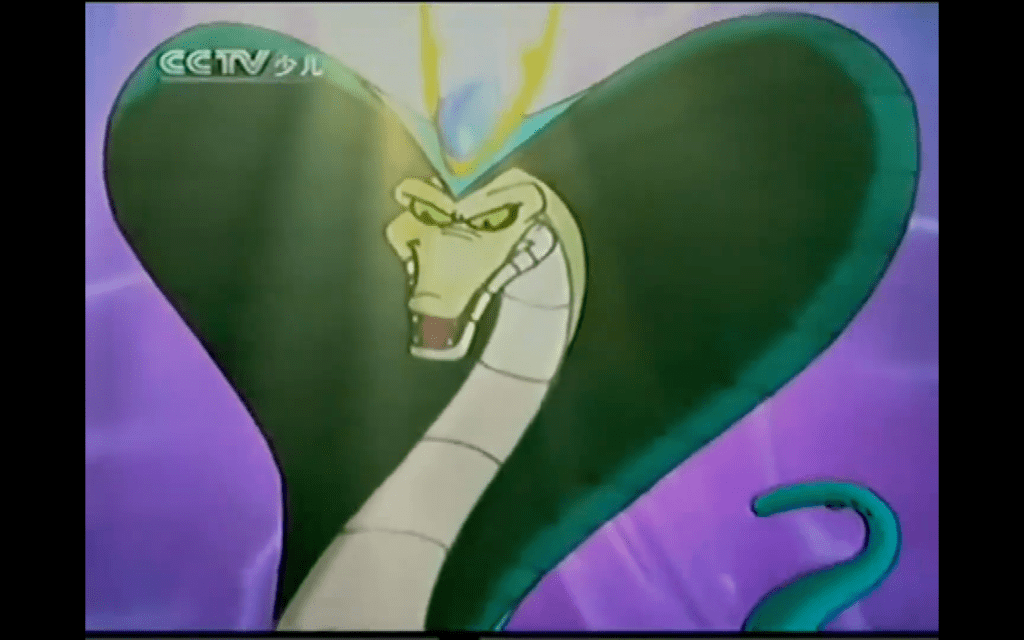
His two lackeys are a Big Lobster and Fat Catfish, which are as cartoonish a pair of lackeys can be. They are the yin to each other’s yang, petty to the other’s brutishness, shrill and skinny to the other’s dumb size. However, they are both mean, cowardly, and kiss ass to the snake hoping to curry favour from their best bet at the real dragon’s power. They are the perfect accomplices to Flaky Snake’s delusions because they only agree to him and fuel it instead of saying the right things and doing what’s arguably better for all of them. Watching this trio makes me think that the villains are very real critiques of genocidal dictators. They maintain their own reality, punishes opposition for saying the truth, and forcefully co-opting artists (there’s an underwater circus troupe we will get to later) to shape the mirage of lies. I only noticed these things now looking back, with the pleasure of discovering new easter eggs as an adult rewatching children shows, and was honestly a little surprised that this aired on CCTV in China.
I found it really interesting that towards the end, they had a moment where Big Lobster and Fat Catfish had a pseudo-turn-over-a-new-leaf moment. When they found out that the snake planned to cause a volcano explosion as a tantrum since he couldn’t get all the snake scales, even these two kiss-asses defected to the Phoenix and revealed the plan to her in the hopes of getting her to save them. They even said that they would rather stop being bad guys than die. The leopard doesn’t change its spots though, and in the end, the moment they reach safety the let their own greed get in the way, and they fell to their fiery deaths into the lava that had escaped.
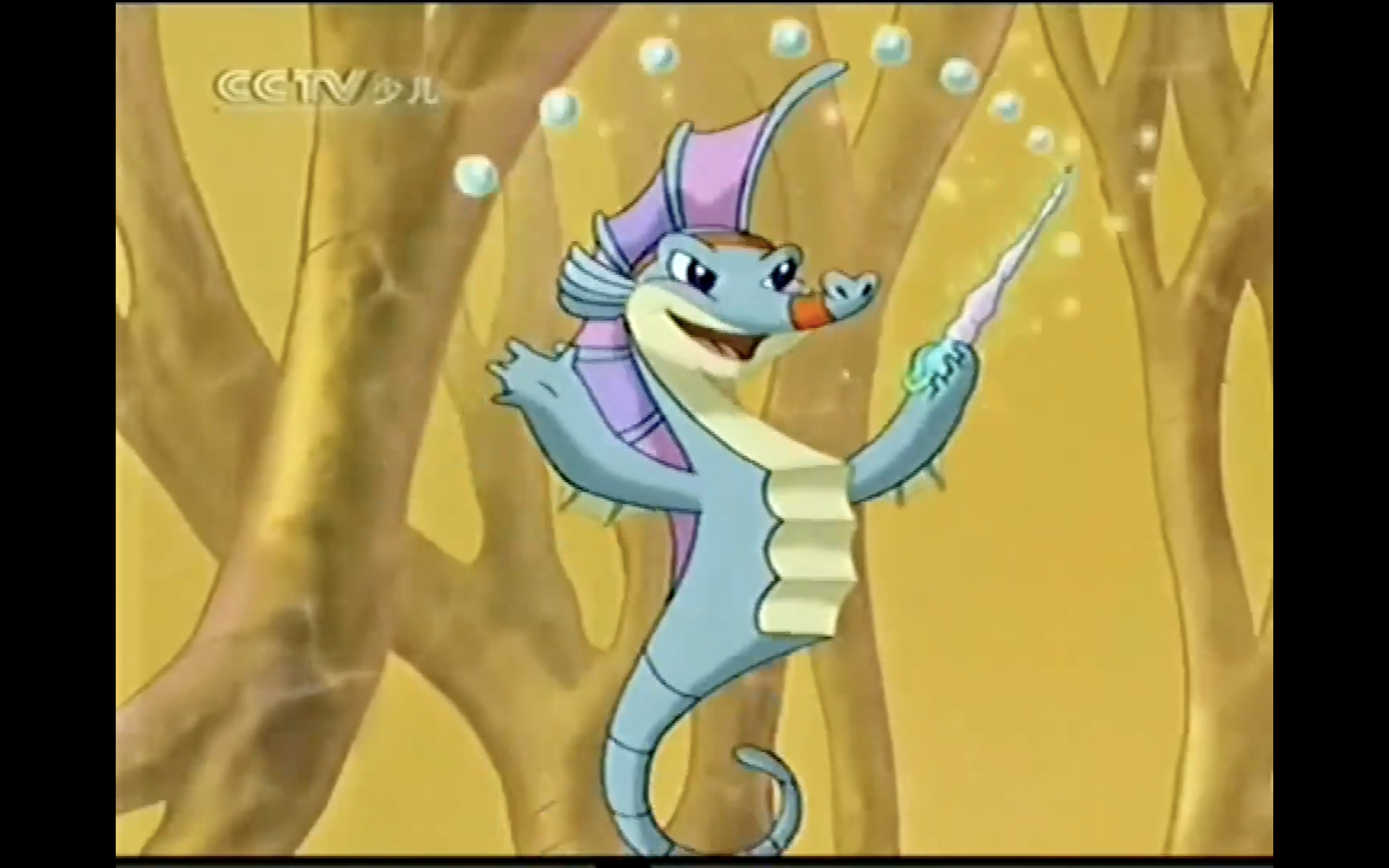
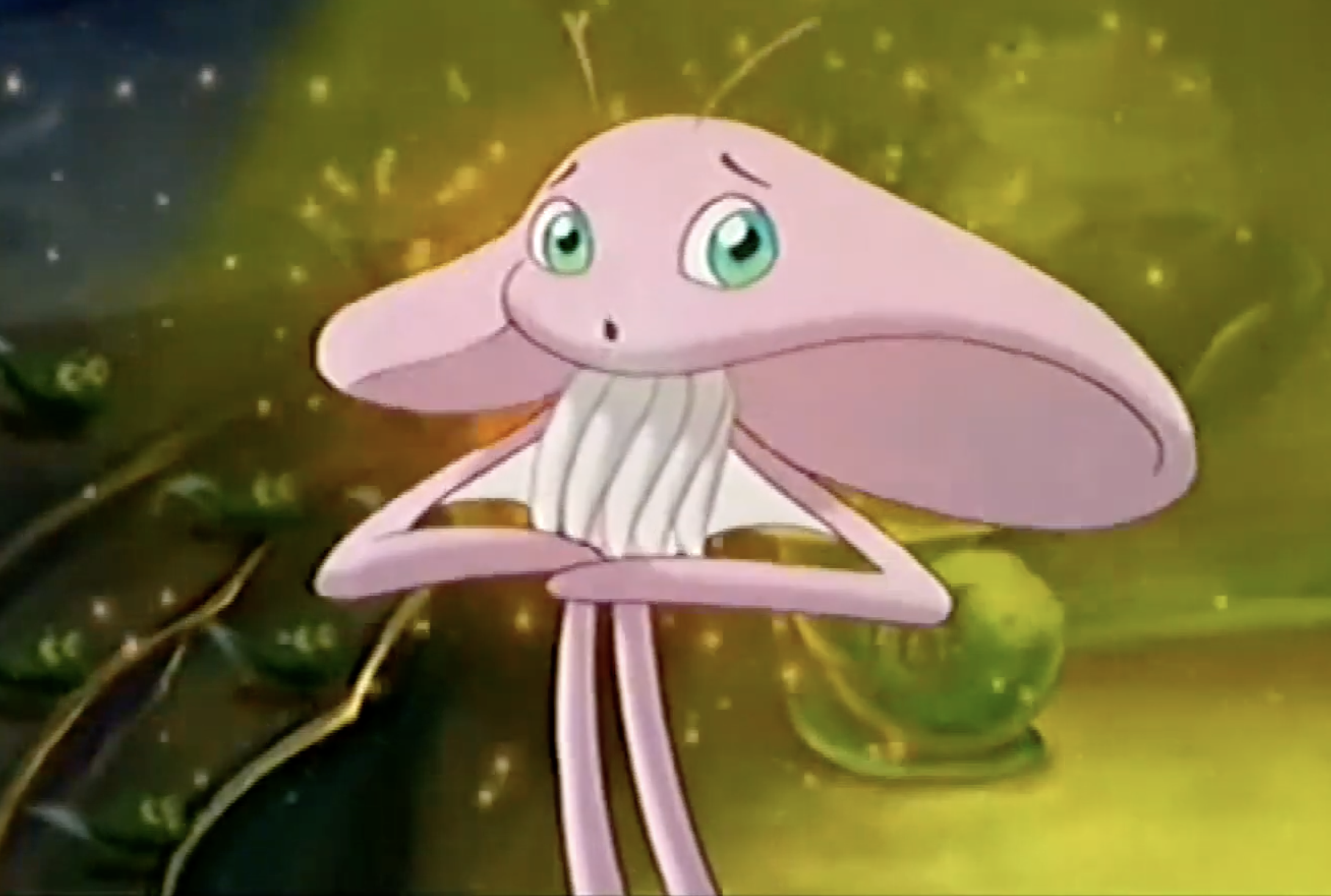
Of course, the forces of evil seem too great for one lone hero, so along the way Bubbles picks up his little team. The first two members came from the travelling circus troupe that Bubbles runs into after he lost his home. There’s Ah Ku, the cool magician seahorse, and Mei Mei, the pretty idol jellyfish. Ah Ku uses his magic wang and its superficial magic to create crowd-favourite illusions to make everything seem alright, just as how he hides behind his coolness to avoid processing the trauma of watching the villain trio killed his entire tribe. I used to love Ah Ku because I thought he was so cool, but now I recognise the signs of trauma!! Mei Mei is an underwater star who is locked in jealous competition with Ah Ku. She had secretly replaced Ah Ku’s magic wand hoping to embarrass him. She starts off playing nice, playing the victim, and disguising the fact that she is a compulsive attention seeker. She even interfered with an escape plan from the Flaky Snake’s lair just so that she can have an audience to showcase her singing to.
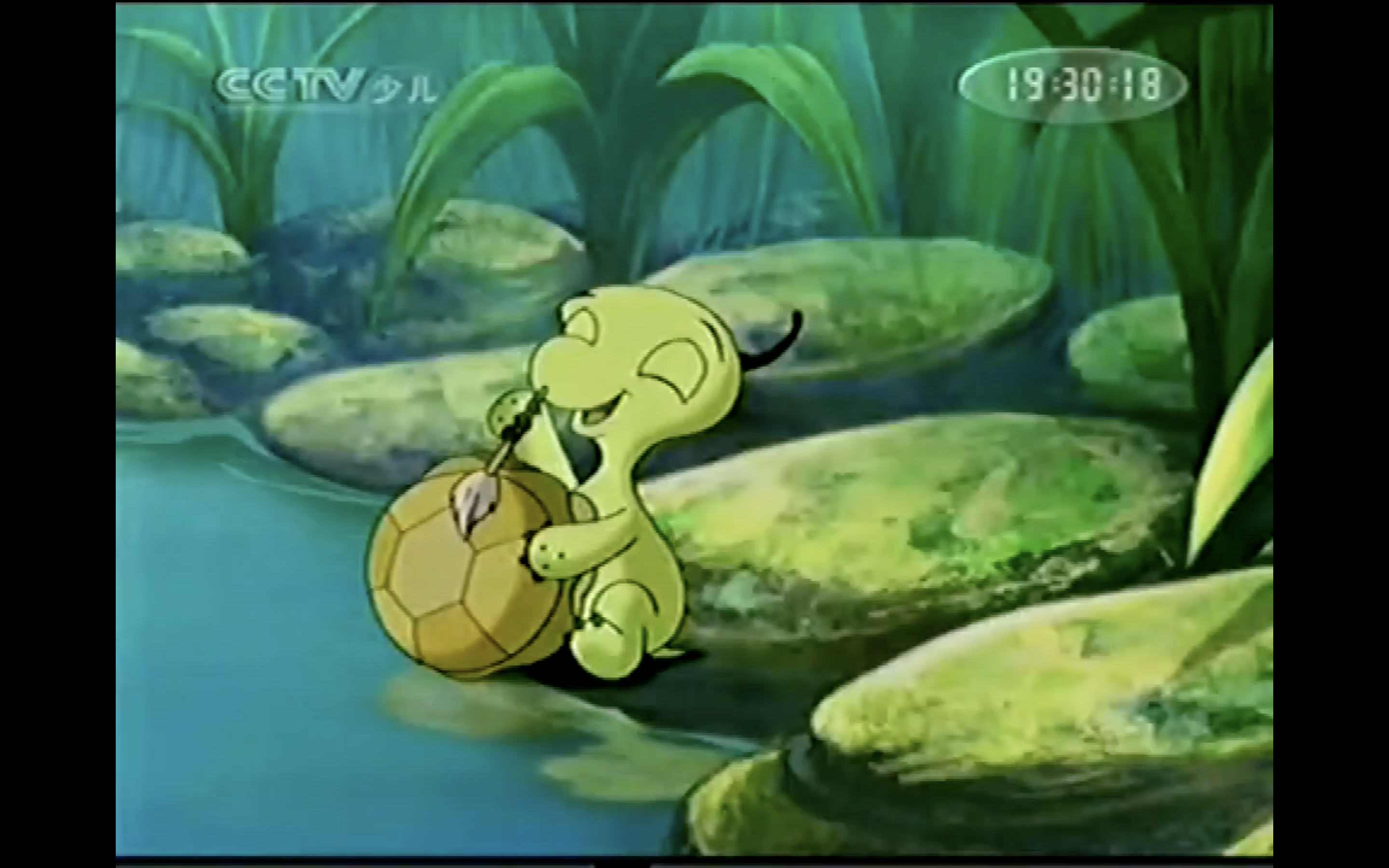
Then there’s Two-Faced Turtle, who surprised me upon rewatching with his nuance and character writing. He lives up to his name by wearing his shell that is literally two-faced, and by playing double agent for both the “good” and “bad” guys. He was basically Big Lobster and Fat Catfish’s lackey and was bullied into doing unsavoury things (like lead the villains to Bubbles and help trick Bubbles into the catastrophic mistake of believing that Flaky Snake was in fact the real dragon). He starts of as thoroughly unlikeable, but we learn that he was caught, bullied, and trapped by the villain trio since he was a kid, and there’s only so much one can resist the influence of nurture when growing up in such bad company. His character growth feels complete because on one hand there are positive changes when he overcomes his own cowardliness through the power of love when trying to save Mei Mei. On the other hand, he still nurses his insecurity and ended up as a hostage when he ran away to nurse his sense of insufficiency.
As a side note, something that really surprised me because I never paid any attention to it, was how beautifully the music was scored throughout the series. There were iconic themes like Mei Mei’s song, or the sound ofBubbles being playful, or the glitzy sparkly sound of Ah Ku’s magic, or the goofy light-hearted theme whenever Two-Faced Turtle pulled up, or the sinister sound of Flaky Snake’s lair. The power of music is important not just aesthetically. The power of music was also deeply thematic because it represented the aspirational beauty in life. Mei Mei’s voice, for example, reveals the ugly nature of the villains and makes the Snake’s skin itch terribly, but it brings others hope and fills their heart with good, like when they ran into a gang of orphan fishes and managed to turn them for good, and even befriend them through her moving song.
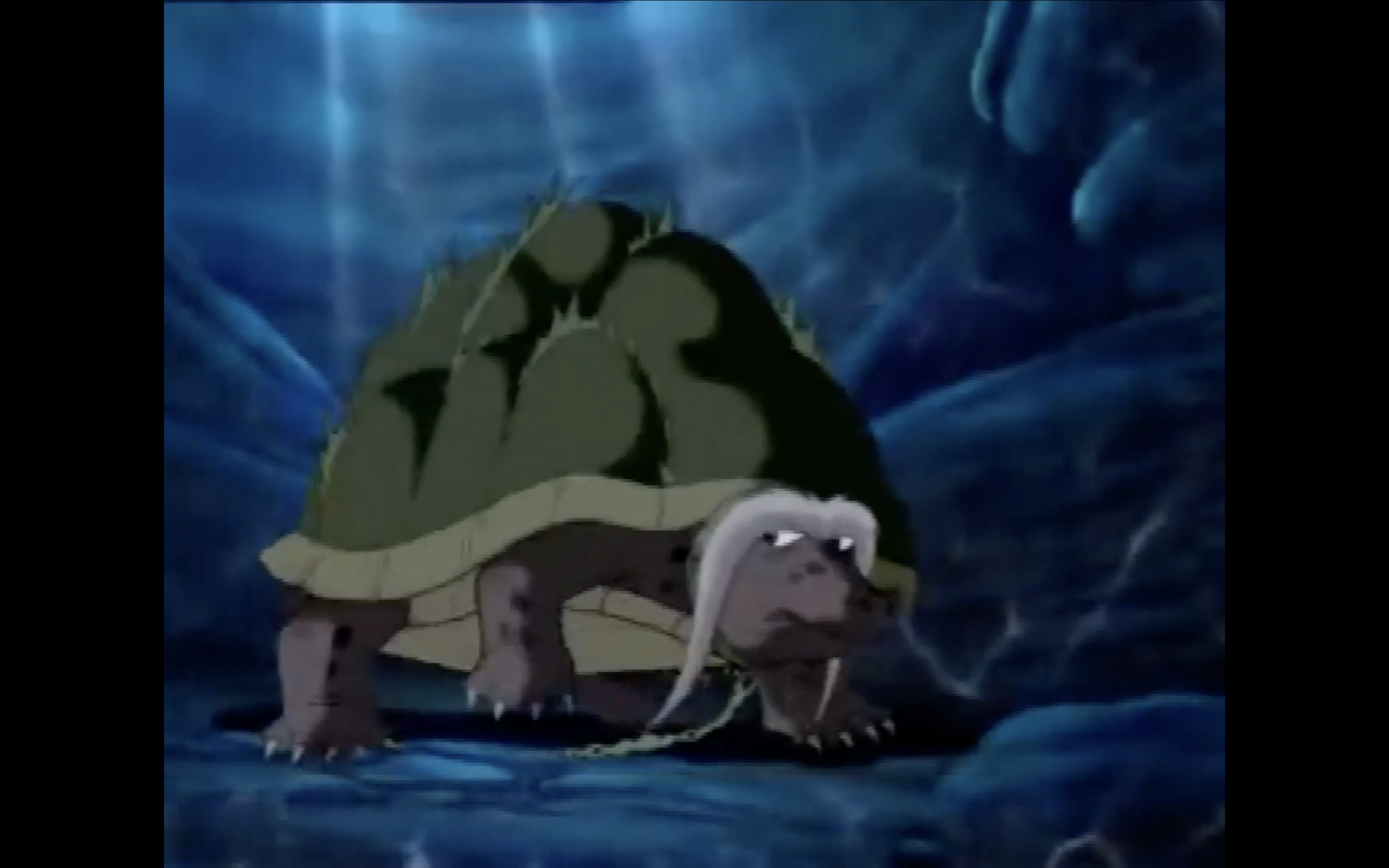
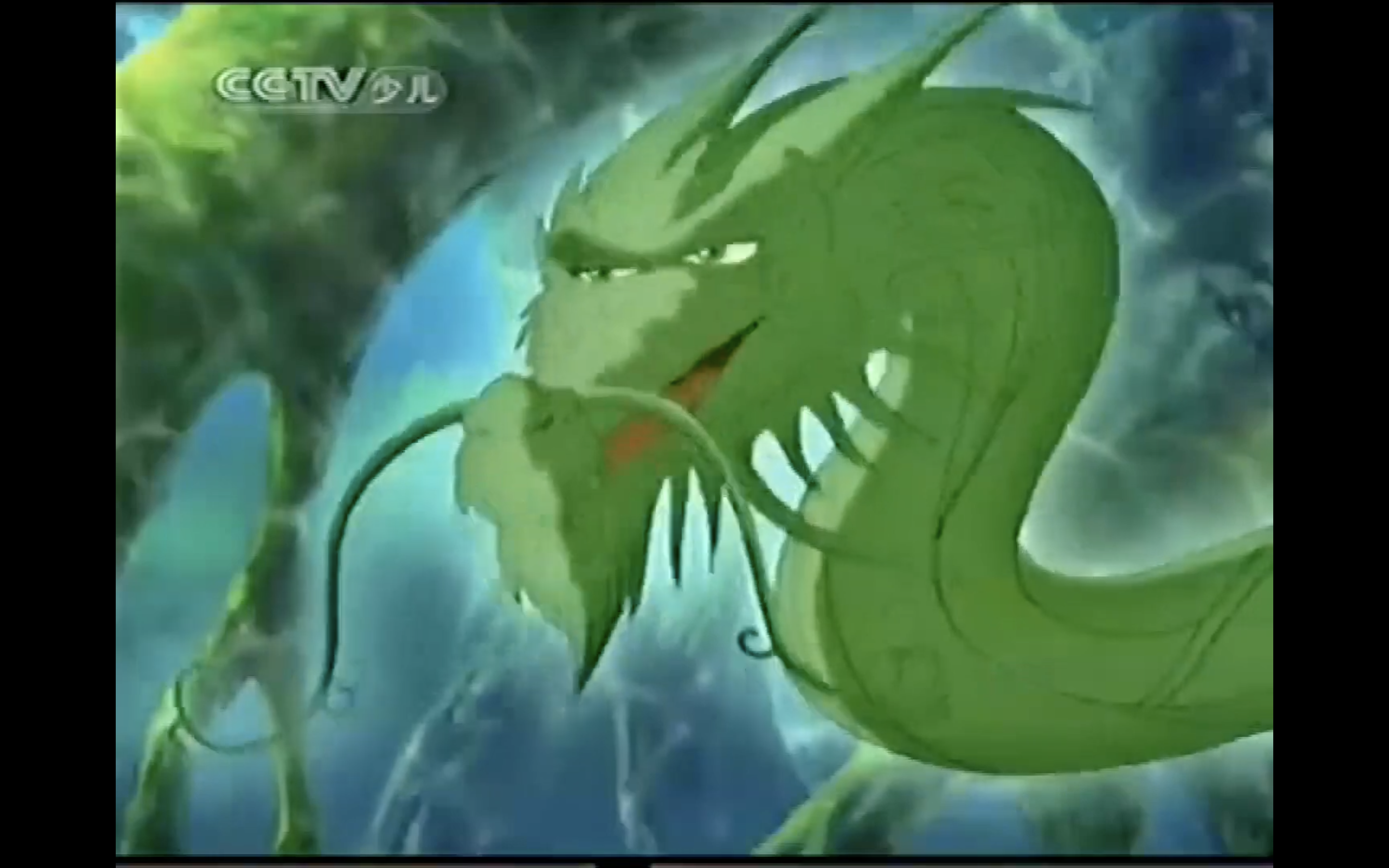
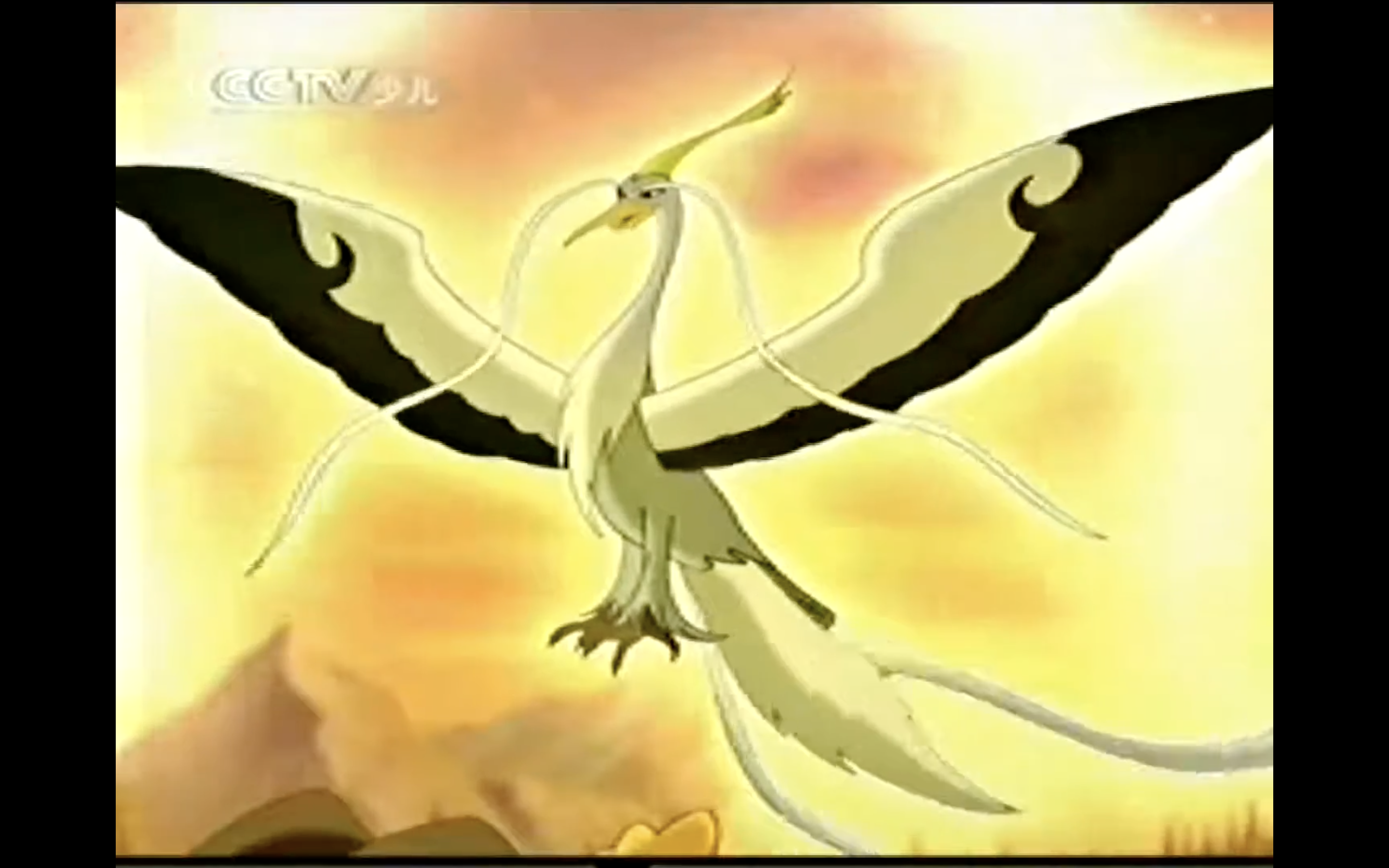
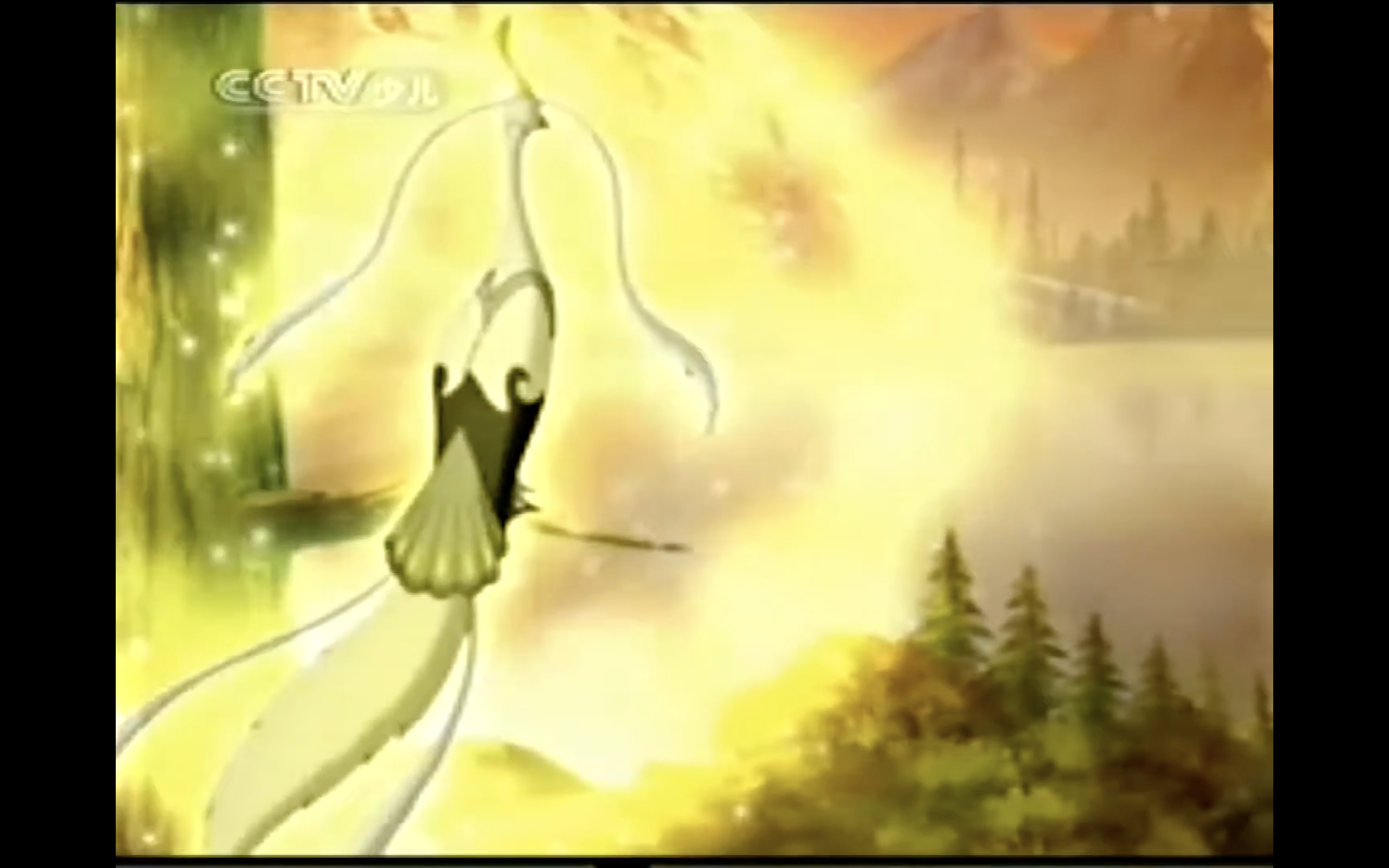
Bubbles’ entourage also meets a series of magical creatures who mentor and guide them through the challenges to get to the real dragon. There’s the Giant Turtle and Three-Headed Phoenix (who can rebirth from the ashes), and a Banyan-Tree Dragon who safeguards the last dragon scale. None of them are all too powerful, and their mortality and need to sacrifice in order to bring justice to Flaky Snake made them feel like real characters who stood for something besides just aiding the Hero’s Journey.
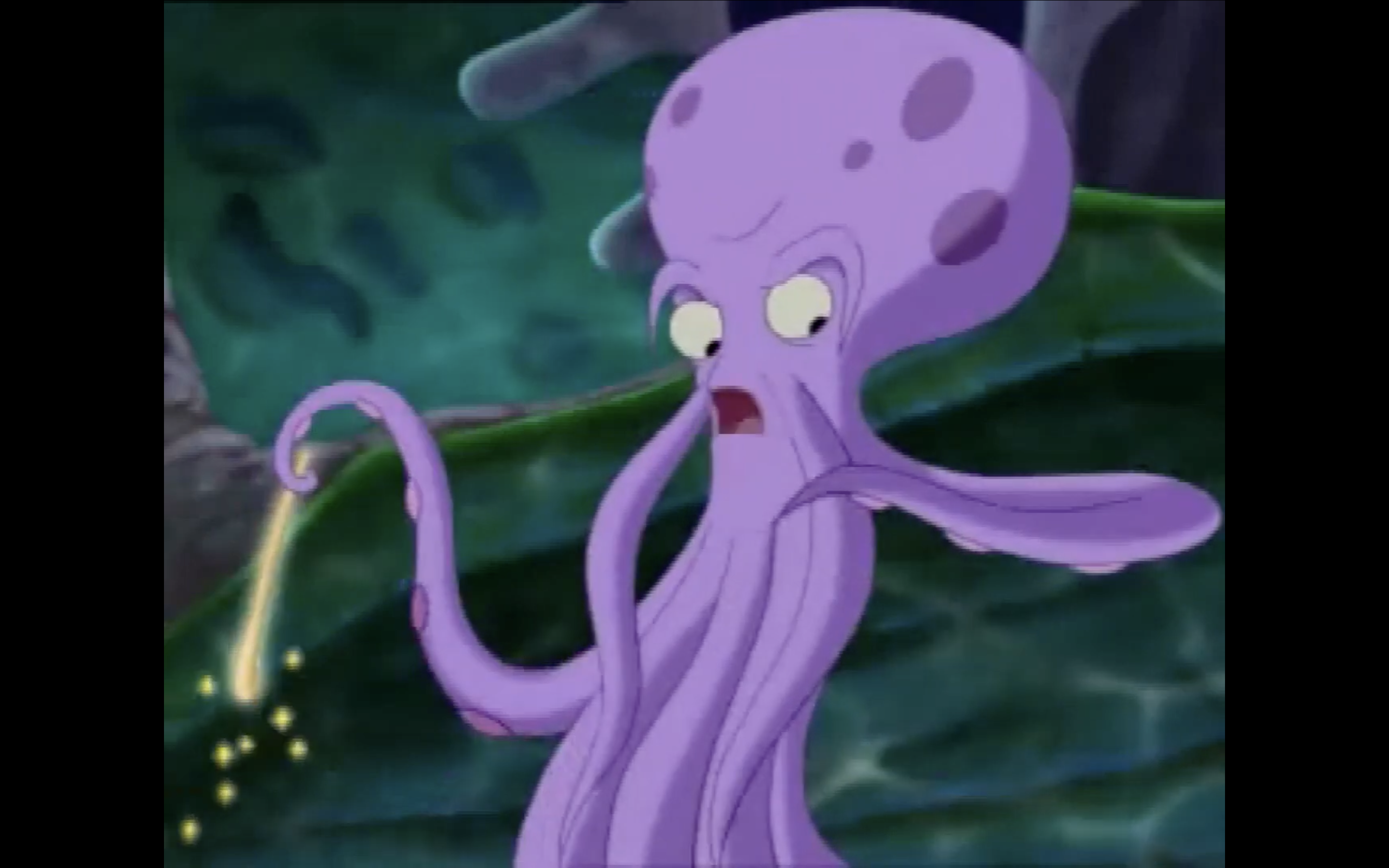
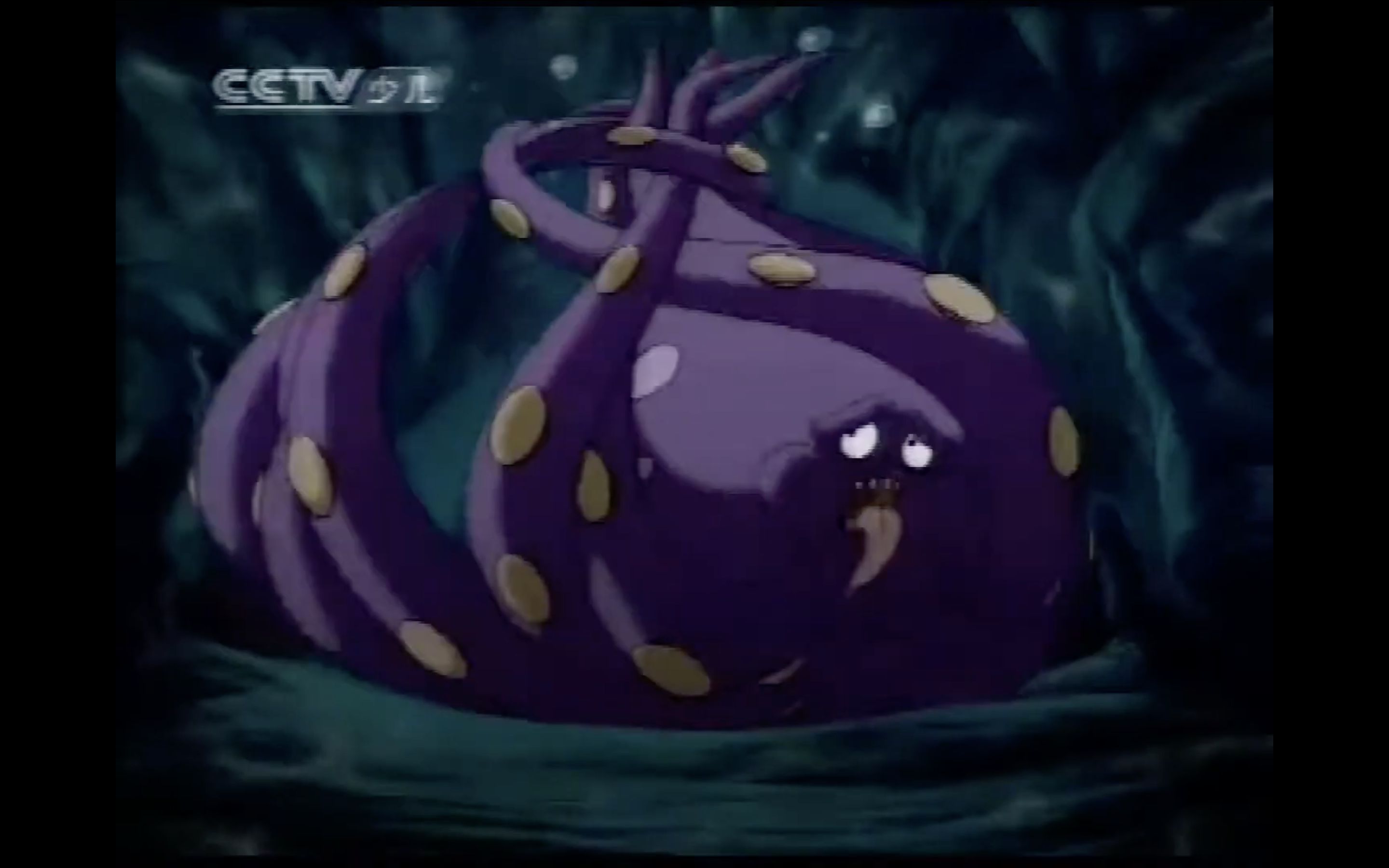
The octopus who was the circus leader who took care of Ah Ku and Mei Mei initially was perhaps the most outstanding of all the mentors. He was far from magical, but he was so well written that even till now, I remember so clearly his entire story-arc. I relive the uneasiness I had as a child watching how he starts as an important mentor to the entourage, but returns as a monster kraken dwelling in the depths after he fell under Flaky Snake’s control!! It broke my heart to see the four realise that the monster they are fighting is their long time friend and mentor, and how it breaks his heart to be unable to stop himself from attacking his beloved children. It was some dark stuff for a children’s show, but it makes this Chinese animation so important as a companion growing up.
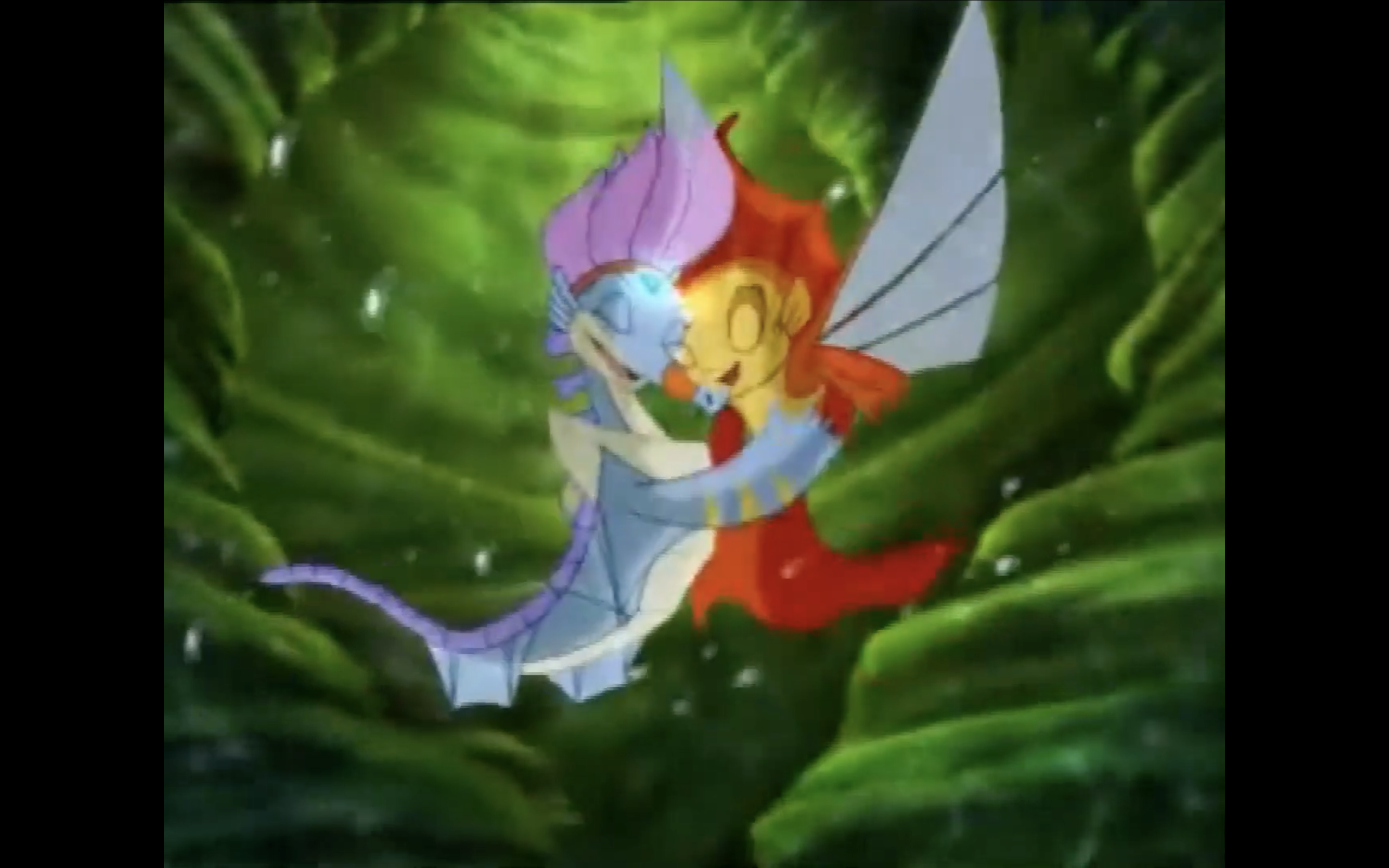
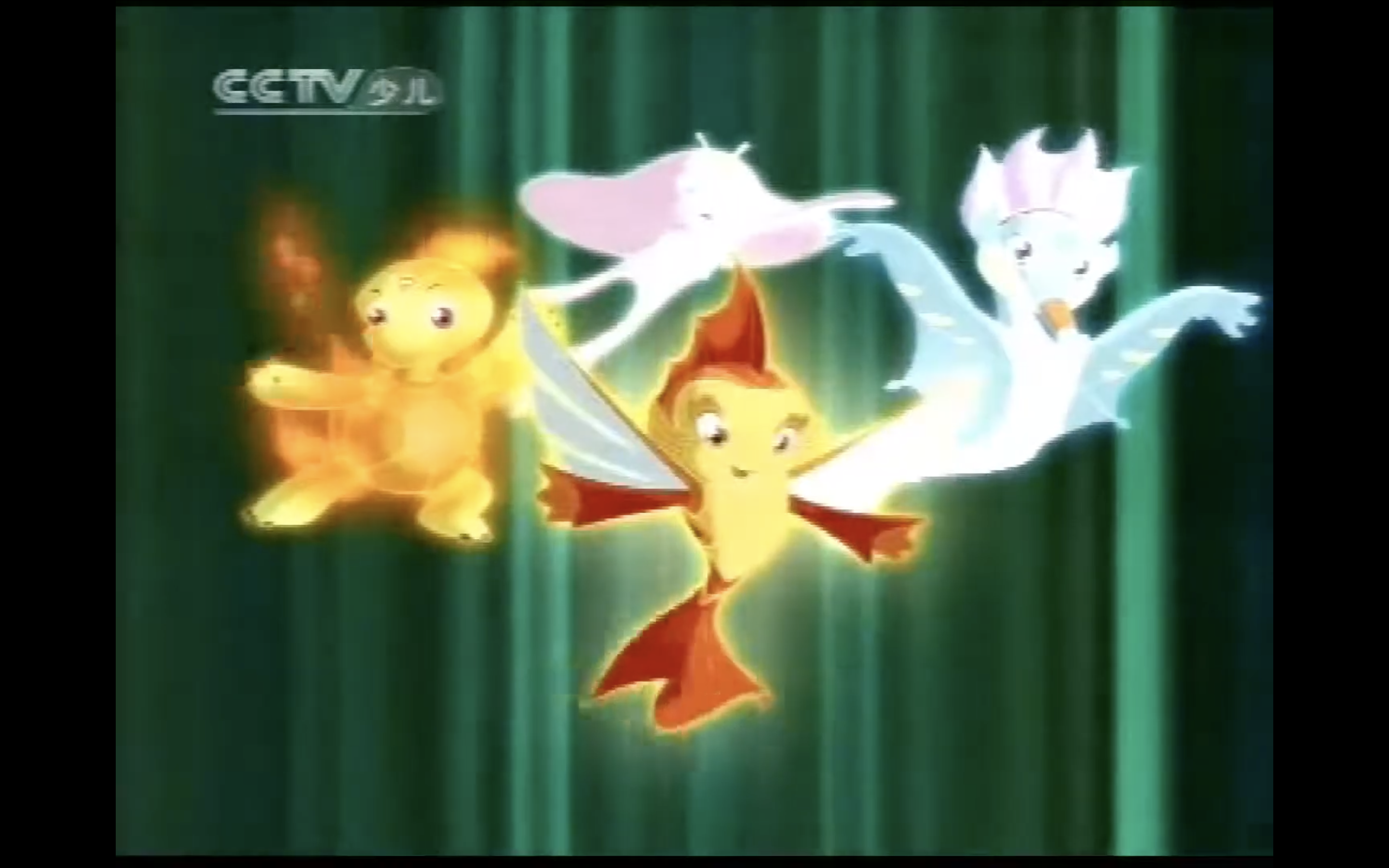
There’s a little magical realism going on when the fishes were flown into the skies in the beak of a pelican and the wings of the golden eagle, or when the four of them had to train at the bottom of a volcanic pool to survive in saltwater as freshwater creatures. I never thought I’d say this, but watching a carp, seahorse, turtle, and jellyfish have their own magical girl transformations was undeniably a huge part of the show’s appeal. The octopus circus leader reveals the first golden dragon scale that can be activated by chanting virtues. The four scales the entourage collects encourage a variety of virtues in kids who scream it at the top of our lungs and perhaps unconsciously shape our belief systems. It ranges from phrases like “I am resolute, my heart is like steel” to imbue courage, or “wisdom and courage are the wings to help me soar” to encourage Ah Ku’s cool-headedness. The dragon scales came together in the end to form a rainbow to save the entire aquatic world from a volcano eruption (again).
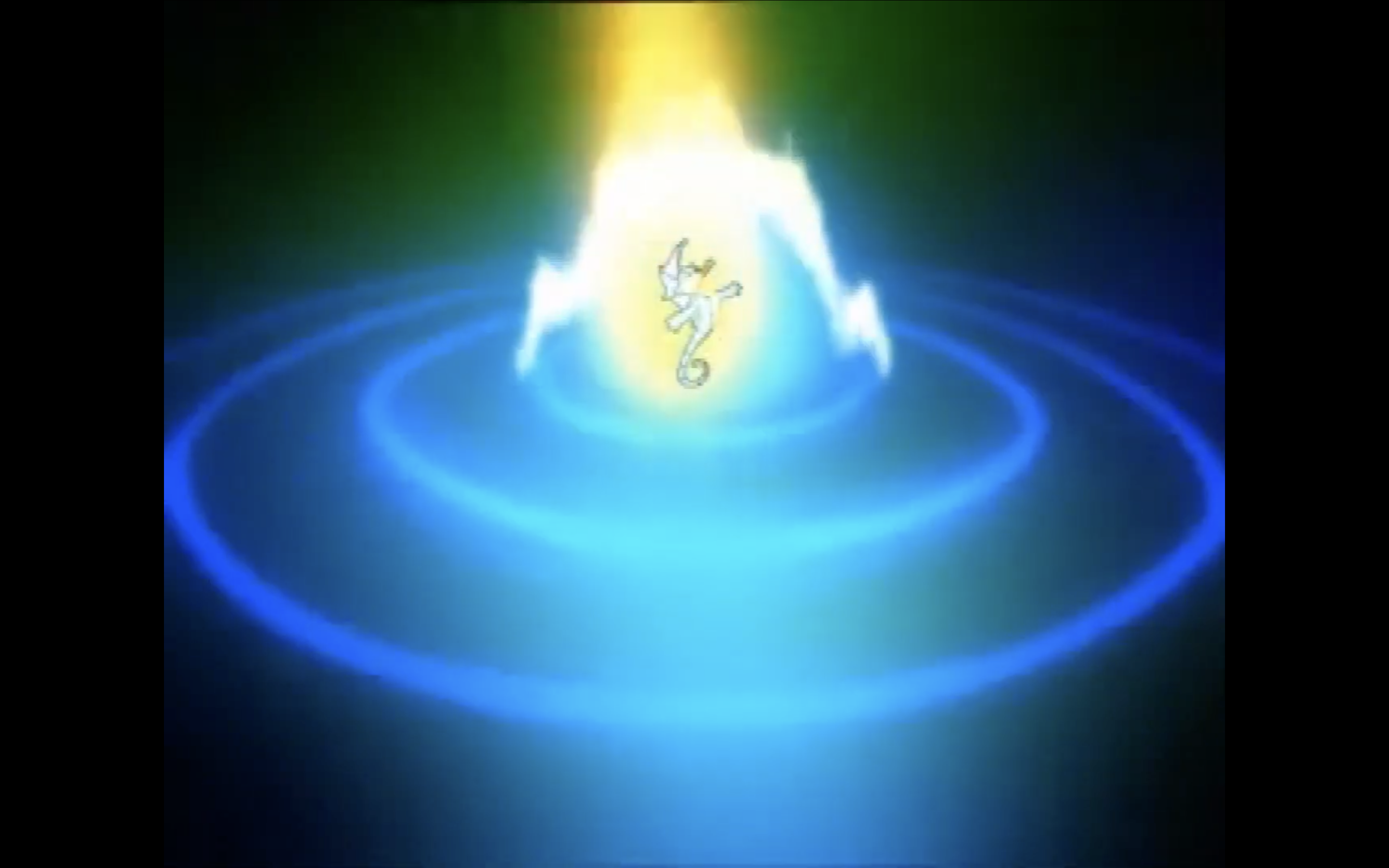
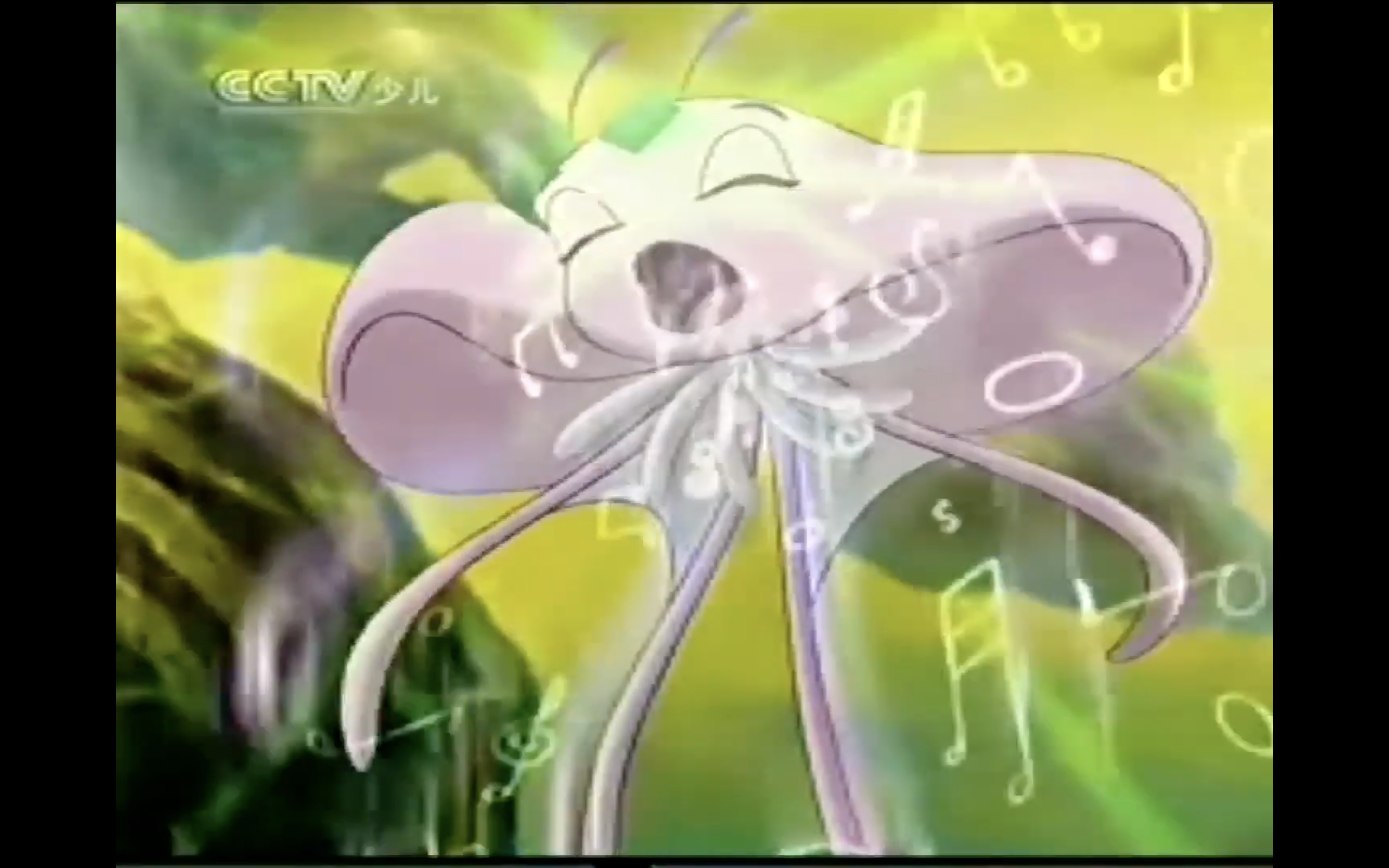
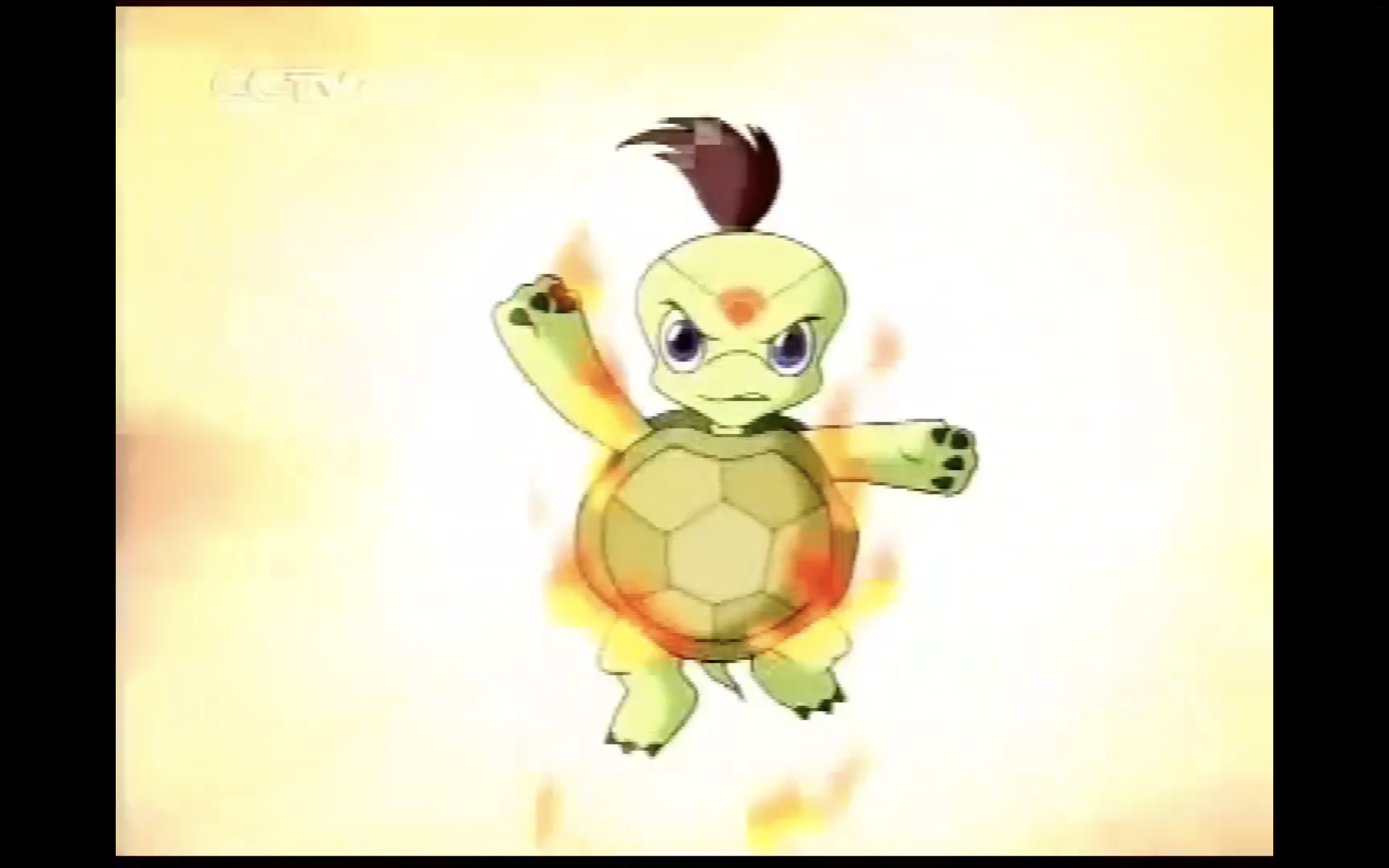
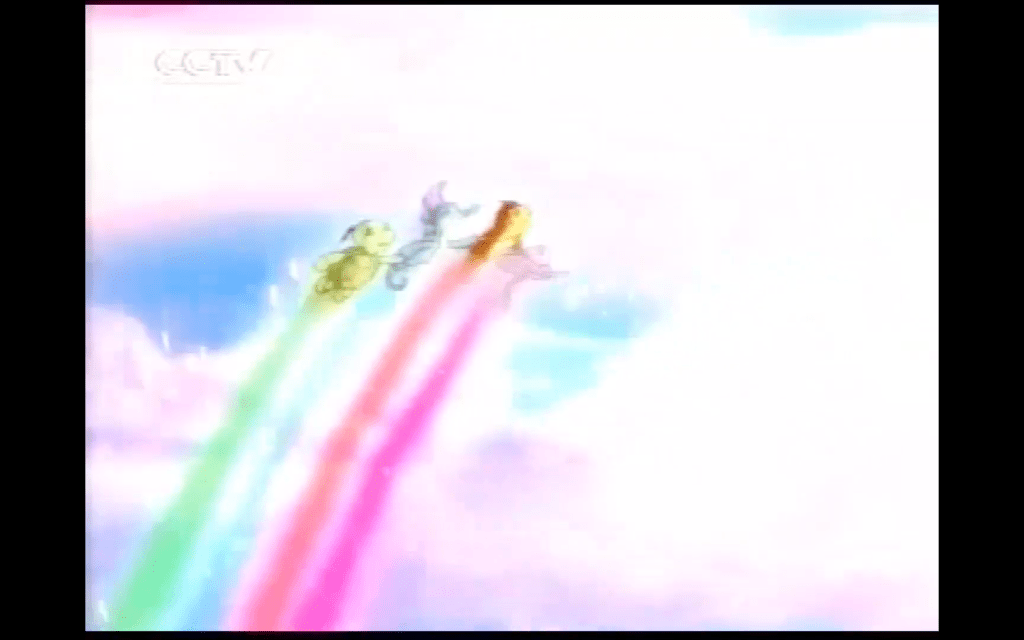
As I binged watched the entire series, I realised that along the way, new characters that the entourage meets are interesting and well written. Once, they had to help a baby dolphin lose weight and make friends. Another time, they had to counsel an insecure puffer fish who lost a beauty pageant, and had turned to Flaky Snake to make her beautiful but at the expense of turning her parents into coral and lying about it all and snatching all the dragon scales from the entourage. Each of them feel like a situation that I might have encountered as a child navigating my early friendships and growing up. Managing the voice of insecurity in my head and learning to integrate into a social context requires us to be honest with ourselves, and Bubbles and friends made great role models for how to confront our flaws in a healthy way.
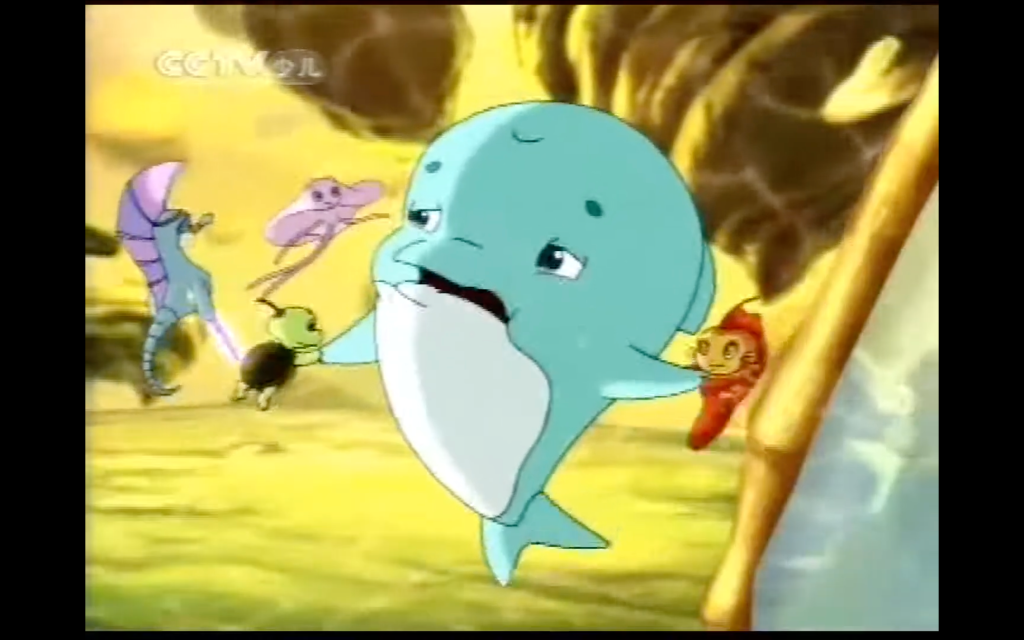
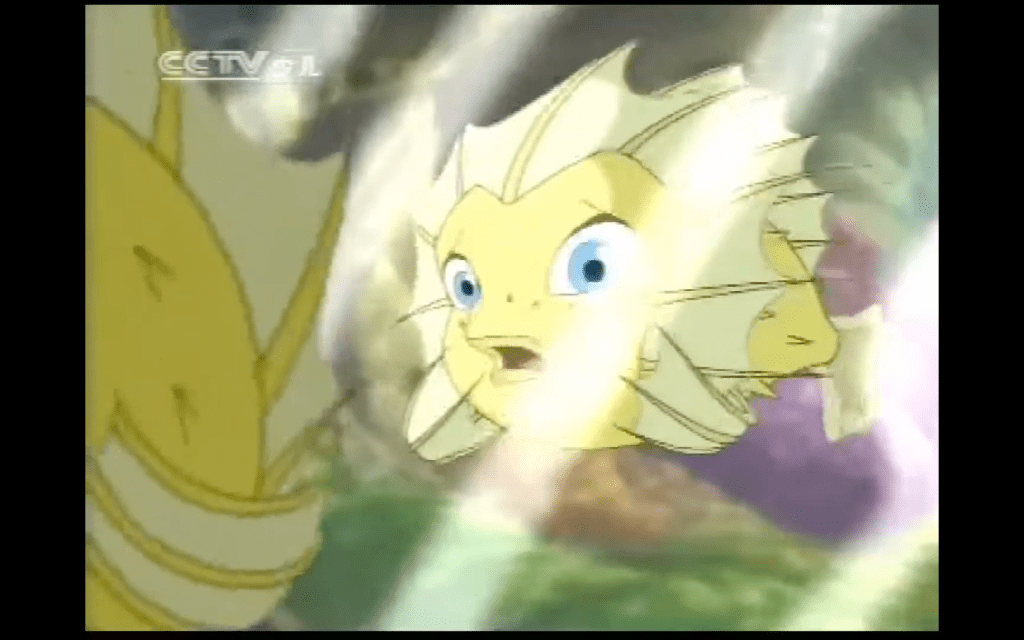
The animation also touched on three pretty adult topics that I can only appreciate now. Firstly, it surprisingly touched on the cult of capitalism and how we must resist our own greed. Early on there is the Golden Toad amusement park arc, where the four gets trapped in the hedonistic amusement park, trading all their golden shells to buy “happiness” and more park rides. Things feel a little off when they witness how all the toads tied their legs and hopped around on three limbs to honour the disability of the Golden Toad (it is a cult, as I said). They eventually got kicked out after the park admins conned them of every single cent, yet in their desperation to get a taste of the thrill, they got fake shells to fuel their greed. Once caught, they were transformed by the magic of the three-legged Golden Toad, owner of the amusement park, into inanimate park rides to collect money from new visitors. At night, they return to the toads and cough up all the coins they ingested throughout the day, and repeat their slavish lives ad infinitum.
There was something so deeply disturbing about this idea of being trapped by our own greed. I remembered how my parents would rely on the rhetoric of having to be left behind at restaurants to clean dishes for them and trade our labour when we ate too much and got greedy with ordering food. There must be some deeply rooted conception about greed in our psyches. The horror of this amusement park was also amplified when Ah Ku (the coolest character to childish me) was revealed to also be a ringleader in charge of the operations under the hypnosis of capitalist overlord. No one, no matter how intelligent, is above the temptations of greed. What was even more amazing is the reveal that even the Golden Toad was a victim of insecurity and was exploited by Flaky Snake. All his hard-earned gold coin was siphoned to the snake in exchange for having a chance to be a dragon and prove that his missing leg didn’t make him unlovable. 1) This shows that all sorts of evil fall into a system, and surprisingly in the commentary about capitalism it is very aptly about hating the game not the players. 2) It also shows how we could recover from our mistakes under the influence of toxic competition — Golden Toad eventually sought forgiveness from the entourage and stood on their side in a fight against Big Lobster and Fat Catfish and lost his whole amusement park when Flaky Snake punished him for standing up against him.
Secondly, the animation also probably showed me a very different model of communication. I don’t think I grew up on healthy methods of communication, but witnessing how grandma carp stuck by Bubbles when the neighbour fishes pressured him to lie and be complicit with the snake’s delusion felt very moving. Her parting words were also trying to coax Bubbles out of his guilt, letting him know that light will coexist with dark, and that the snake would have come sooner or later. It probably means a lot to know that there is someone in your corner, and who will encourage the right values in you no matter the difficulty of making that decision. Younger me probably felt a little envious of that, and I think upon rewatch it only made me want to do better at communicating and being that Grandma carp.
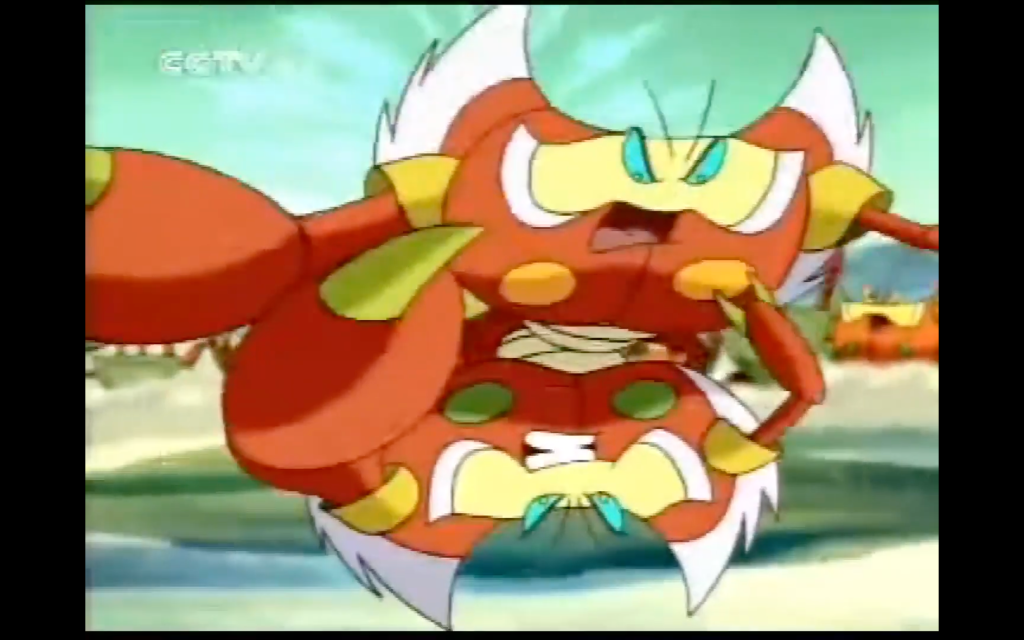
Lastly, the most important lesson I probably missed from the animation is about working together as a team by setting aside our personal egos. I needed to learn this lesson as a kid who grew up believing I could do everything alone, but I guess sometimes the lesson staring me in my face was the hardest to learn. I saw my younger self in Ah Ku and Bubble fighting over the jealousy of only one of them winning the Phoenix’s test (the Phoenix meant for the test to be about their teamwork anyways!), or how the villains managed to instigate civil war between a pair of crab brothers by preying on their ego to be the only king and fight amongst themselves. The four heroes also failed miserably when tested by the Jade dragon scale. They only opted to elevate themselves and argued for why they alone deserve the most power. Each time they failed a test of unity and selfishly nursed their own egos, their magical powers were taken away and the dragon scale becomes poisoned. I think the way I consumed the characters as a child clearly demonstrated that I would fall prey to the same traps the entourage was — I only idolised and upheld one or two of the characters and argued with my parents about why they were THE BEST. There’s the incurable urge of a child to place things in a zero-sum hierarchy.
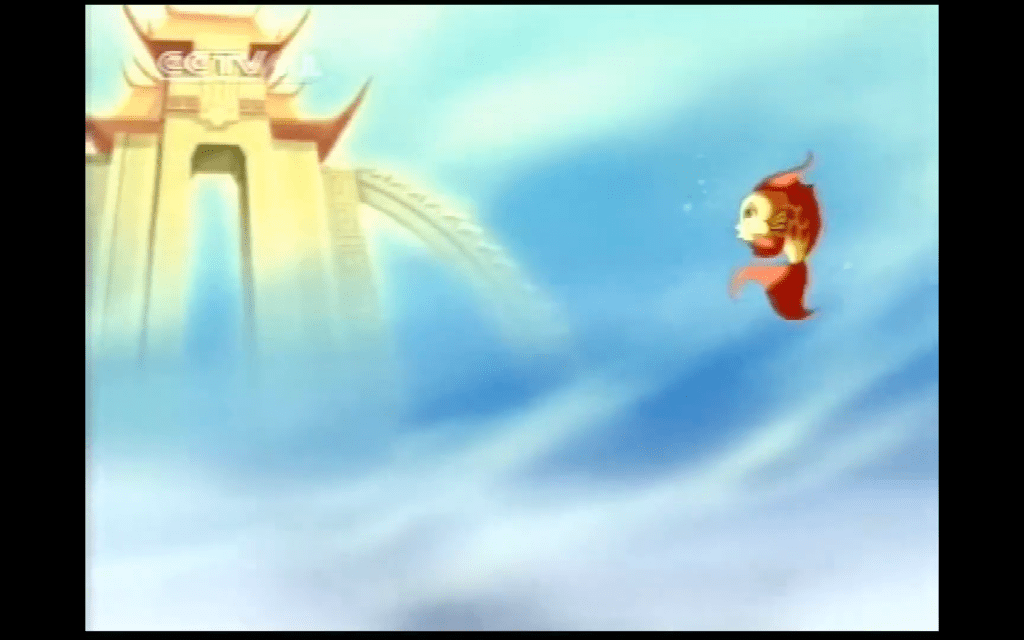
I shouldn’t be ashamed of my own failures though, as the entourage’s repeated failure to overcome their egos shows just how difficult it is for anyone. Looking back on it now, I hope that I have made space to share with others and let go of the rather destructive ego I had nurtured through teenagehood. Watching this difficult character growth come to an end was extra cathartic when in the finale episode, Bubbles, who was alone when confronted the dragon gate, refused to jump through it alone to retain all the real dragon’s power for himself. He called for his friends, despite the warnings that it will cause the dragon gate to rise each time and become impossible to clear. I might not have been able to articulate this, but maybe at the end of the day it is this willingness to learn and hold space for a team that makes him stand out from many other Hero’s Journey I have watched.
Rewatching the Chinese animations of my childhood was surprisingly fruitful even as an adult. Some lessons were worth reminding myself of throughout different life stages, and the nostalgia feels so fresh that despite watching from the small screen of my Macbook, I could imagine sitting on the floor of my childhood home pushing the next DVD disk into the player and anticipating the moment it plays. I don’t think it has succeeded in creating any sense of proximity with Chinese culture, but I think this show had been a happy accident in a long list of un-curated visual content. So sometimes, when I think about what it meant to grow up in the early 2000s, I feel like I can now be honest about it, and make space for all these memories that I had not have a chance to share.
 Updates
Leave a comment